
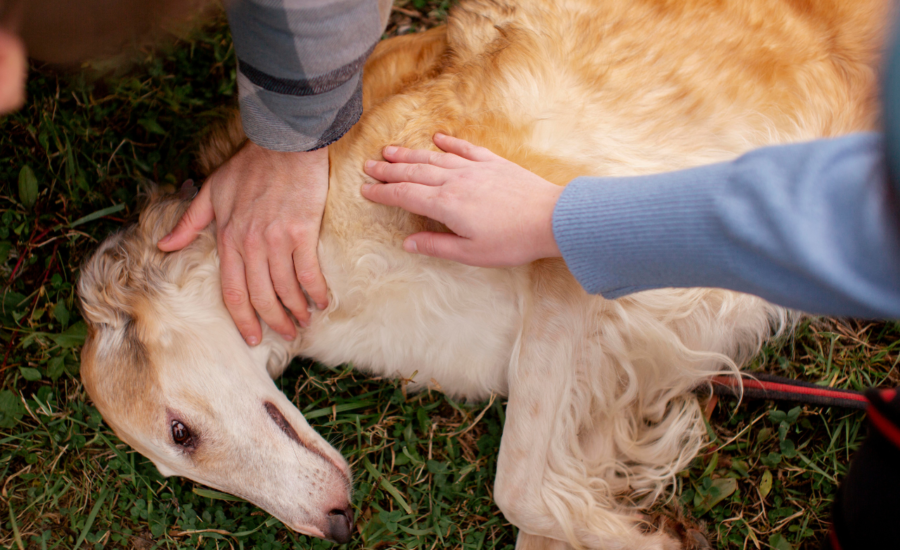
Time is of the essence during pet emergencies. Some of these emergencies include injuries, choking, poisoning, and heatstroke. Knowing what to do the very first moments of the emergency can save your pet’s life. First aid is not a substitute for veterinary care, but it can help your pet become stable enough to transport safely to a clinic.
This step by step guide highlights the most important first aid every pet parent should know. This includes first aid for dogs and first aid for cats.
1. Stay Calm and Assess the Situation
Your pet is probably already in a state of panic, fear, and pain. It’s important for you to stay calm so you can do the following:
– Think clearly
– Avoid injuring yourself or your pet in the process
– Take action quickly and safely
When approaching your pet, do so slowly and take your time. An injured animal may feel scared or in pain, which may result in them biting you in the process.
2. Check for Vital Signs
A. Breathing
– Feel for airflow by placing your hand near the animal’s nose
– Look for movement of the chest
B. Heartbeat
– Place your hand on the left side of the animal’s chest and feel for movement (this is behind the animal’s left elbow)
C. Pulse (Femoral Pulse)
– Feel the inside of the animal’s thigh where the thigh meets the body
If you do not feel a heartbeat or breath, perform CPR (explained below).
3. How to Do CPR on Pets
Only perform CPR if your pet is not breathing and doesn’t have a pulse.
How to do CPR on Pets
1. Lay your pet on their right side.
2. Place your hands over their chest and compress 100-120 times a minute.
3. Do 2 rescue breaths by closing their mouth and blowing into their nose until their chest rises.
4. Alternate 30 compressions with 2 rescue breaths and continue until your pet, a vet, or some other help arrives.
Never do CPR on pet’s that are still conscious.
4. Choking: What to Do
Signs that your pet is choking are:
– Pawing at their mouth
– Gagging or coughing
– Blue or pale in the mouth/gums
What to do when choking occurs in pets.
– Open the mouth and check for an obstruction. If visible, try to remove it with your fingers or tweezers, but do not reach blindly down the throat.
– If your pet is still choking, try these:
- Small Dogs & Cats: Deliver back blows by hitting the area between their shoulder blades.
- Larger Dogs: Use a Closed Fist Heimlich Maneuver by standing behind the dog and placing a closed fist under their ribs, then thrusting quickly and firmly in an upward direction.
After a pet has been choking, you should always take them to the vet, even if it looks like they are okay.
5. Bleeding
Bleeding Control Techniques:
– Put a clean cloth or bandage on the injury and apply steady pressure.
– If possible, raise the injured body part above the level of the heart.
– If the bleeding is severe, use a pressure bandage.
- Critical Situations: In case the bleeding does not stop within five minutes, take them to an emergency vet without wasting a moment.
6. Burns
- Heat Burns
Soak the burned area in cool water. After, cover the burn with a clean cloth that does not stick to the burn.
- Chemical Burns
Rinse the area with water from a faucet for at least 10 minutes without interruption. Supervise the area while keeping your pet from licking the area.
- Electrical Burns
Please turn off the appliance before touching the pet. Check for breathing and a heartbeat.
Note that in all cases of burning, a vet’s evaluation is needed.
7. Poisoning
Some poisonous substances that may be in your pet’s household include: cleaning products, chocolate, grapes, human medications, and some types of plants.
Symptoms of Poisoning:
– Excessive drooling
– Vomiting
– Tremors
– Seizures
– Collapse
What should be done:
Important: Never cause a pet to vomit on your own; do it only with the vet’s recommendation.
If possible, it is best to take the package or a photo of the toxin to the vet’s office with your pet.
Always contact a vet or an emergency vet depending on the situation.
8. Heatstroke: A Common Emergency
Overheating for pets such as dogs and cats is a very big risk, meet especially in hot weather.
- Signs of Heatstroke- Heavy Panting – Drooling – Red Gums – Vomiting – Collapsing
- First Aid – Get your pet to a cool area – Offer them small amounts of cool water – Cover their belly, legs, and neck with soft, wet towels – Avoid using any ice-cold water. – It can cause shock. – Get them to a vet as quickly as you can.
9. Broken Bones or Limping
Do NOT try to reset or realign any bones – Keep your pet as still as possible – Use a towel as a temporary sling – Carefully take them to the vet.
10. Cat-Specific First Aid Tips
Cats may: – Hide when they are in pain – Make sudden movements when scared – Bite when they are frightened – Important cat-specific care – Wrap the cat in a towel (like a “kitty burrito”) – to keep everyone safe. – Keep them warm if they are in shock. – Do not put any human cream or ointment on the cat. – Do not force a cat to drink or eat if they are injured.
11. Dog-Specific First Aid Tips
Use a muzzle (if the dog is conscious) to prevent them from biting you out of fear. – Large dogs may need a blanket or large stretcher as a stretcher. – Keep an eye on their gum color (pink = healthy) – Keep your dog calm and try to restrict their movements as much as possible.
12. Create a Pet First Aid Kit
Every pet parent should keep a kit at home, and also in the car.
Essentials:
- gauze & bandages
- antiseptic wipes
- tweezers
- digital thermometer
- hydrogen peroxide (only used under vet guidance)
- scissors
- saline solution
- emergency vet contact numbers
Conclusion
In an emergency, knowing the basal first aid for pets, emergency dog care and first aid for cats can make a difference. First aid can help to stabilize your pet, but is not a substitute for taking your pet to an emergency Veterinary Clinic. In any emergency situation the best strategy is to act as quickly as possible while staying calm.nd comfortable stay.